
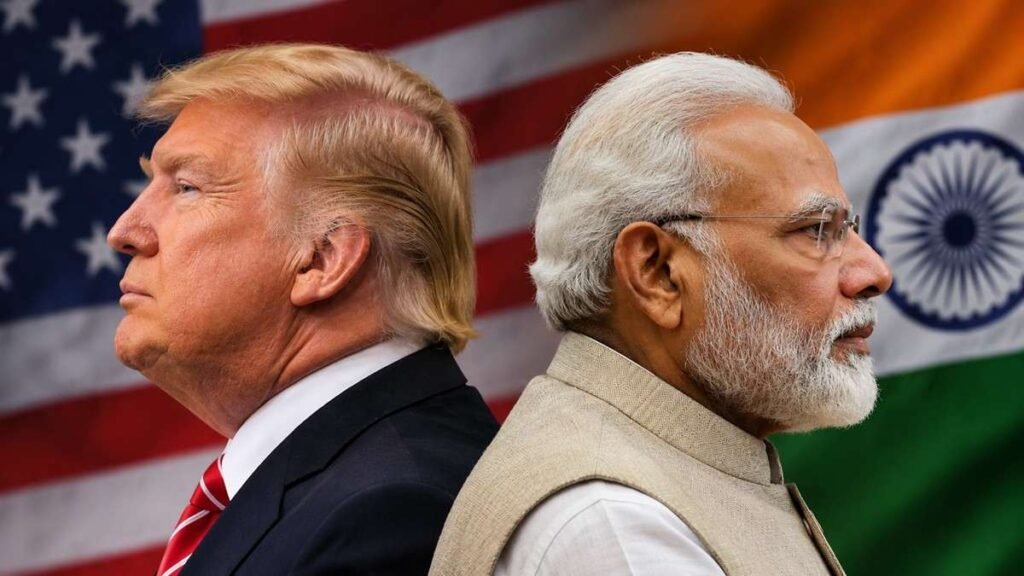
NEW DELHI: Americans will vote on November 3 to elect all 435 members of the House of Representatives and 35 senators, determining which party controls Congress during the final two years of President Donald Trump’s term.
The elections, held halfway through a presidential term, are known as midterms. The President is not on the ballot. The contest will decide the composition of the US Congress, which has two chambers: the House of Representatives and the Senate.
The House has 435 voting members, each elected for a two-year term. All seats are contested every two years. The Senate has 100 members, with two representing each state. Senators serve six-year terms, with roughly one-third of the chamber facing election every two years. This year’s 35 Senate contests include two special elections.
Control of either chamber affects how the federal government functions. The House plays a central role in passing legislation and initiating measures related to federal revenue. The Senate considers presidential appointments and treaties, and conducts impeachment trials. Major legislation must pass both chambers before it can be sent to the President. A change in the majority could therefore affect the administration’s legislative agenda, congressional investigations and scrutiny of executive decisions.
For India, the election has implications in three areas: trade, immigration and defence cooperation. Decisions in Washington on tariffs and market access affect Indian exporters, while changes to US immigration rules have consequences for Indian professionals and technology companies. Congressional committees also have a role in examining government policy and expenditure.
Immigration has already become a contested issue. The Trump administration’s proposed $100,000 fee on certain new H-1B visa petitions was challenged in court. Two federal judges blocked its implementation in separate cases, according to Reuters. The outcome of the midterms could influence future legislation and congressional scrutiny of immigration policy, although a change in congressional control would not automatically reverse existing executive measures.
Reuters+1
The newly elected members will form the 120th Congress, scheduled to begin its work on January 3, 2027. Its composition will determine the legislative and oversight environment for the remaining two years of Trump’s presidency.
