

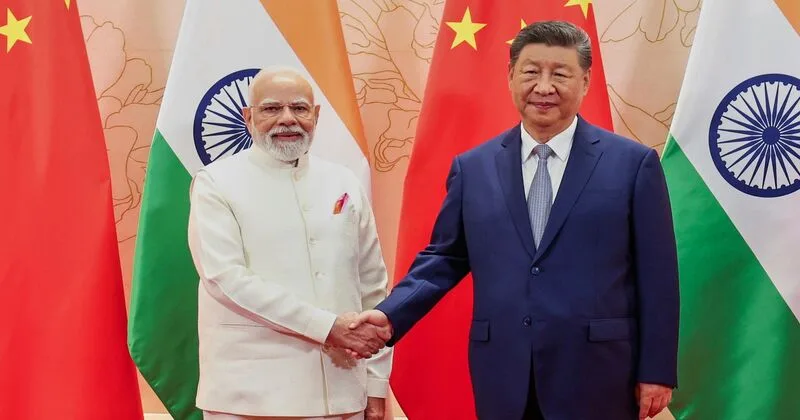
The discussions regarding the India-China border have once again come into the spotlight. A meeting between senior representatives from both countries in Beijing has been held on 25 August 2026. The session of the Special Representatives on the ongoing boundary dispute was chaired by India’s National Security Adviser Ajit Doval and China’s Foreign Minister Wang Yi.
The importance of this meeting lies in the fact that the border issue has always been one of the difficulties in India’s relations with China. Although both countries have taken steps to improve their relationship, the situation along the Line of Actual Control (LAC) still affects the amount of trust that New Delhi and Beijing can develop.
What happened in Beijing?
At the meeting the Indians and the Chinese talked over the boundary issue, border administration and methods of improving cooperation between the two countries. They both decided to carry on relying on dialogue and consultation in order to arrive at a reasonable and mutually acceptable solution to the boundary dispute.
Doval also made it clear that peace and stability along the LAC (Line of Actual Control) are important for the relationship between India and China; while India wishes to make progress in other areas of this relationship it also wants the situation at the border to stay calm, safe and predictable.
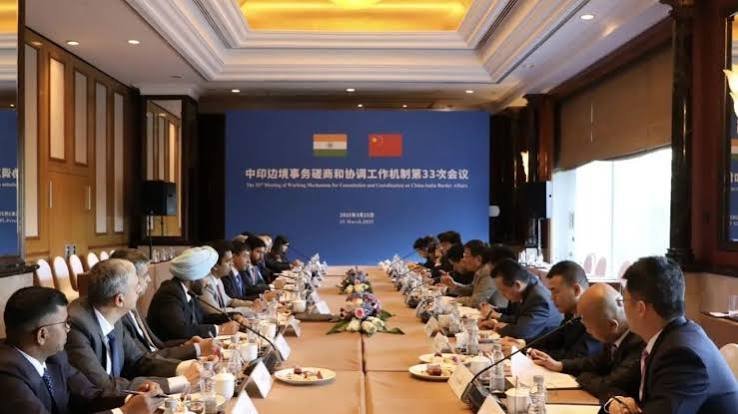
At the same time, China has been also in stressed about the importance of maintaining communication and working together. Wang Yi stated that the two countries should draw lessons from their past experiences and keep moving forward rather than let differences take control of their relationship.
What is the importance of these talks?
India and China have had their relations affected by the border dispute for many years, and the situation grew especially tense following the clash in the Galwan Valley in 2020, which led to a serious military standoff between the two countries.
Since that time both sides have used military channels to reduce tensions, and the 2024 disengagement agreement has helped to create some room for dialogue with relations gradually showing signs of improvement.
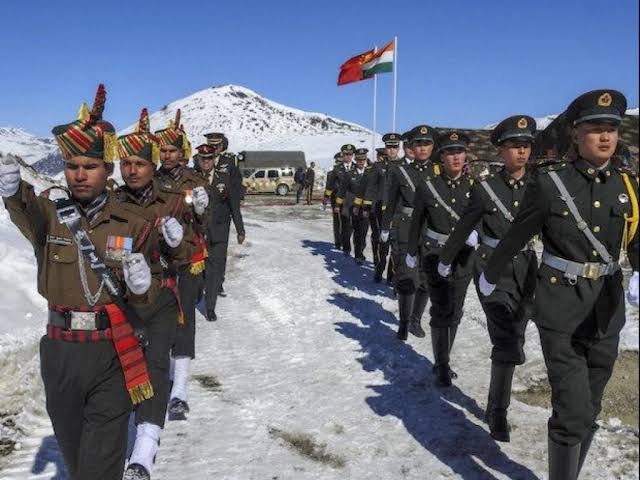
That is why these negotiations are important since they demonstrate that India and China are still choosing to talk despite the fact that some difficult issues have not yet been resolved.
No quick border settlement yet
It is still too early to state that the most recent meeting has settled the border dispute.
The two countries failed to announce an agreement on their border. Rather, they decided to keep negotiating and to enhance border management. The following round of talks between the Special Representatives will occur in India in 2027.
It will thus most likely continue to be gradual since the issue concerning the border includes territorial claims, security concerns and years of disagreement. A lasting solution will therefore not result from a single meeting.
A possible thaw in relations
The fact that the discussions take place at this time is also important; India plans to host the BRICS summit in New Delhi in September 2026 and Chinese President Xi Jinping is expected to attend, though his participation has not yet been officially confirmed.
In light of this situation, both nations have grounds for maintaining stable relations.
A peaceful border would allow India to concentrate on economic growth, regional security and international partnerships. For China, improved relations with India could serve to reduce tensions with one of Asia’s important powers.
What Happens Next ?
The true test won’t be the remarks made during the discussions; it will be what takes place on the ground.
If both countries keep the peace along the LAC, improve communication between their forces and maintain open channels, then the recent improvement in relations could become more stable. Territorial differences which were still unresolved will continue to need careful management.
The fact that the rounds of talks will take place in India in 2027 indicates that both sides desire the dialogue process to continue. The most recent talks between India and China about the border do not constitute a solution to the border dispute but do represent an important diplomatic move.
At the moment the emphasis is on rebuilding trust at the border and carrying on the negotiations. Whether or not this careful improvement leads to a lasting peace will depend on what the two countries actually do, not just on what they say at the negotiating table.