

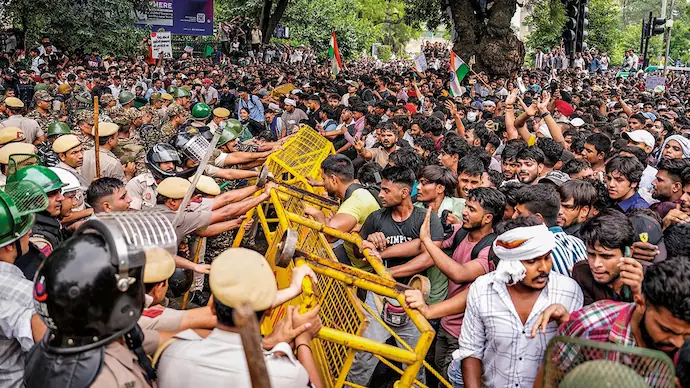
In recent months, student protests over alleged NEET-UG and other examination paper leaks have developed into an important legal issue. The matter has now reached the Supreme Court of India, with questions being raised about police action, FIRs against protesters and the constitutional right to peacefully express dissent (difference of opinion).
The latest development is particularly significant because the Supreme Court has indicated that it may use its extraordinary power under Article 142 of the Constitution to quash appropriate FIRs involving students. At the same time, the Court has made it clear that people accused of serious criminal offences cannot automatically receive the same relief.
What Happened During The Protest ?
The protests were linked to concerns over alleged examination paper leaks and other problems affecting students. One major demonstration took place in Delhi, including a July 20 march from Jantar Mantar towards Parliament.
The protest later became controversial because protesters alleged excessive police action, while the Delhi Police disputed these allegations and said that the gathering was unlawful and that officers used restraint and only the force considered necessary to control the situation.
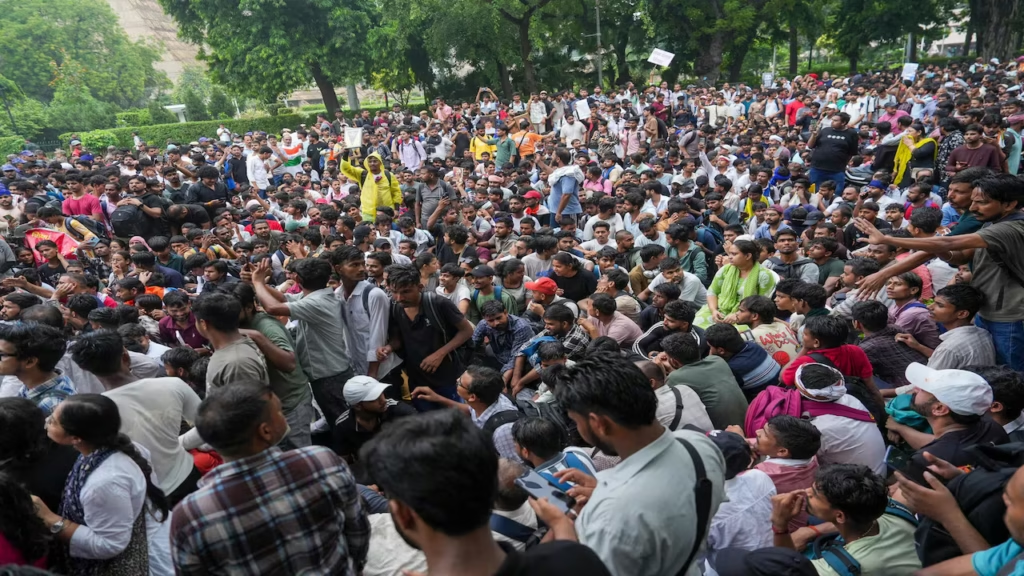
This disagreement created a larger question: How should the authorities respond when students protest, and where should the line be drawn between maintaining public order and protecting peaceful dissent?
That question is now being examined by India’s highest court.
Supreme Court’s Latest Development
On August 18, 2026, the Supreme Court indicated that it was prepared to consider using Article 142 to quash FIRs that clearly involve students and where there is no serious dispute about their involvement.
The three-judge bench, headed by Chief Justice of India Surya Kant, also included Justices Joymalya Bagchi and V. Mohana. The Court stressed that the rights of students under Article 19 must be kept in mind and that peaceful protest and expression of dissent deserve constitutional protection.
Importantly, the Court has not issued a blanket order cancelling every FIR. It wants the relevant student-only FIR details before taking the next step.
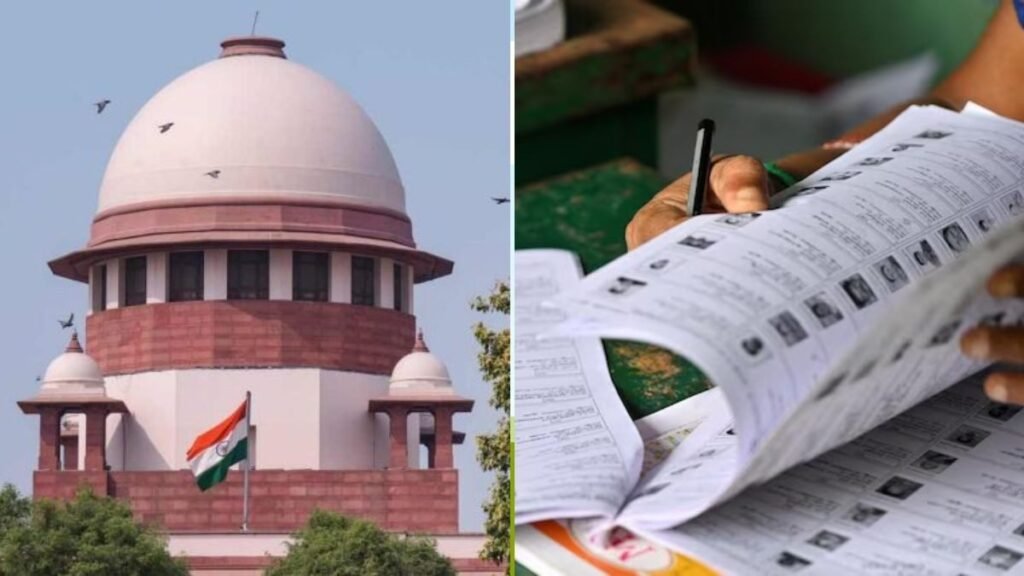
What Is Article 142 ?
High-Powered Committee to Examine Police Action
The Supreme Court has also decided to establish a high-powered committee to examine allegations surrounding the police response to the protests. The committee is expected to investigate allegations of police excesses as well as violence against police personnel. The proposed panel is expected to include experienced former judicial and police officials.
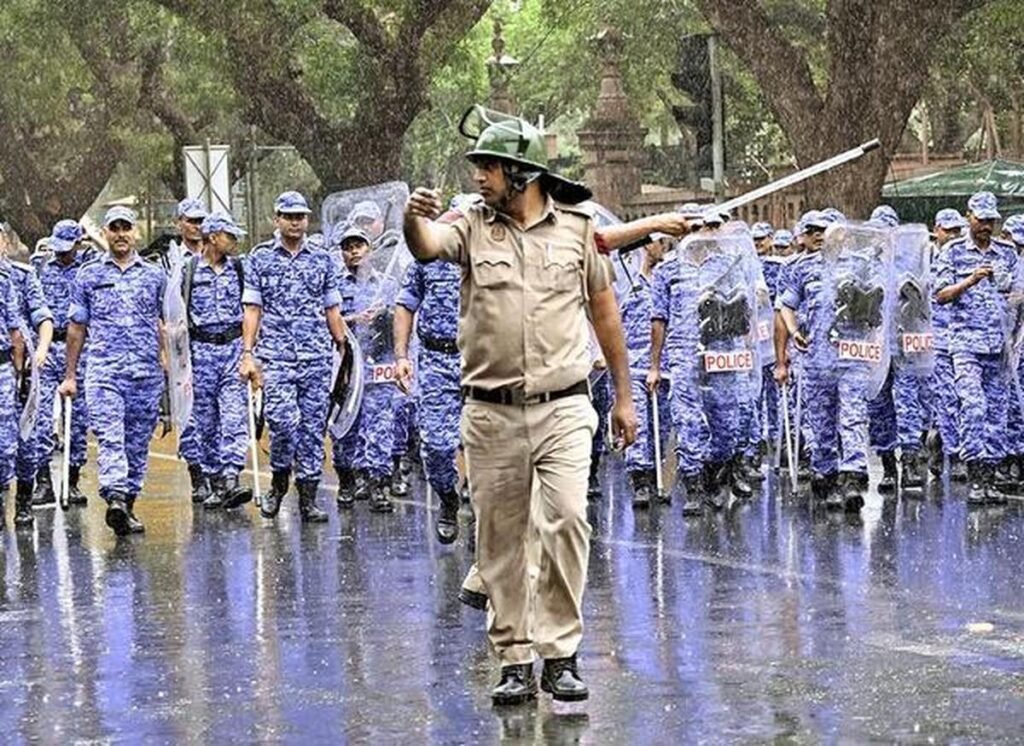
The Court has also directed attention towards available video footage and CCTV recordings relating to the July 20 Parliament march. This is significant because there are different accounts of what happened during the protest. Evidence such as recordings can help establish facts instead of relying only on statements from protesters or authorities.
Why This Case Matters To Students ?
An FIR may look like a simple legal document, but for a young student it can feel much bigger. Students may worry that a protest-related criminal case could affect:
- Future employment
- Government examinations
- College opportunities
- Background verification
- Professional careers
- Family reputation
This is why the Supreme Court’s concern about the future of students is so important.
The Court is looking at whether a student’s participation in a protest should permanently affect their future when there is no serious criminal conduct involved.
What Happens Next ?
The Supreme Court is expected to continue examining the FIRs and the allegations surrounding the protests. The high-powered committee will also examine evidence relating to police action and violence during the demonstrations. The Court has sought suggestions concerning the panel and its functioning.
The final outcome could influence how future student protests are handled across India.
It could also shape the wider debate around peaceful protest, police powers, student rights, privacy and Article 142.