



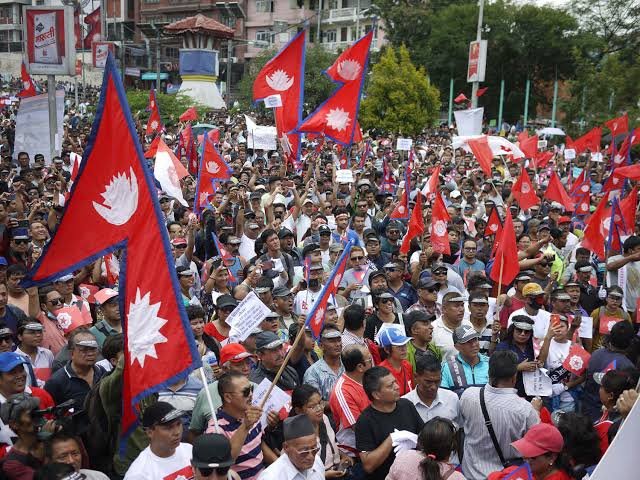
The biggest turning point came in 2025, when thousands of young people came out on the streets. They were angry about the government’s social media restrictions, but their anger was actually connected to much bigger problems like corruption, unemployment and the feeling that politicians were not listening to ordinary people.
The protests became a major political crisis and eventually led to Prime Minister K.P. Sharma Oli’s resignation. After that, Nepal went through an interim government and then held a fresh election in 2026.
Why Did the Protests Become So Big?
Young people in Nepal were already frustrated. Many were worried about jobs and their future. There was also a lot of anger about corruption and the way some political leaders were seen as being disconnected from normal people.

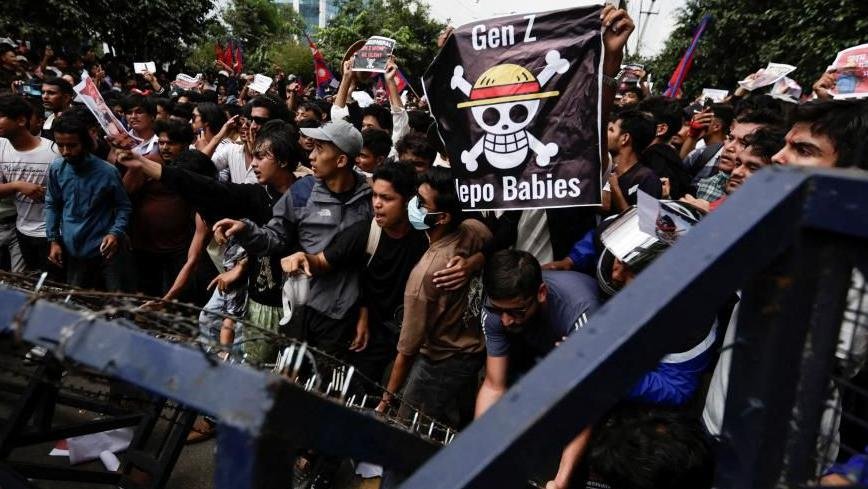
So when the government restricted social media, it became a kind of final trigger. Young people started protesting, and the situation quickly became much more serious.
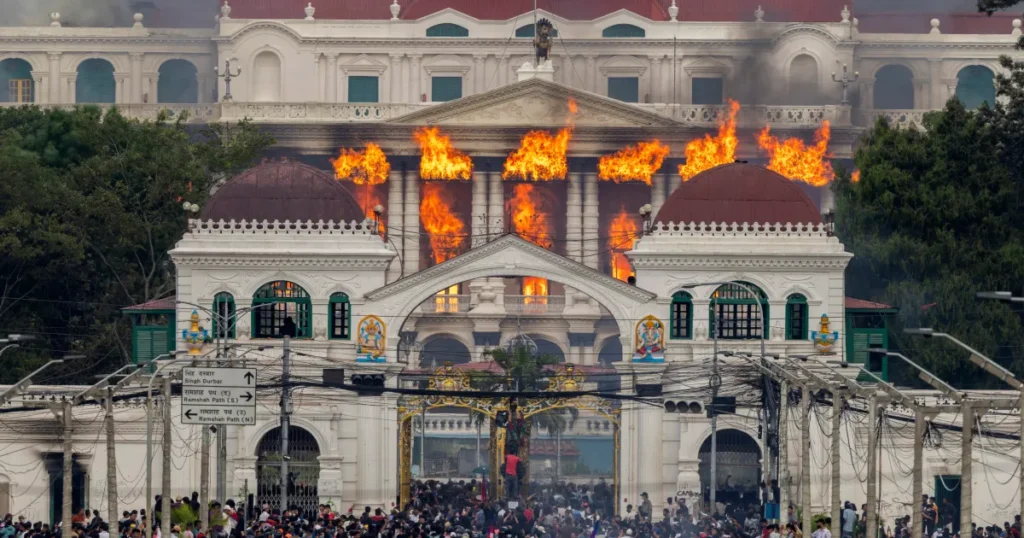
The protests turned violent and many people were killed. The government came under huge pressure, and Oli eventually resigned. That moment changed Nepal’s political situation completely.
Then Nepal Went for a New Election
After the protests, Nepal needed a new political direction. An interim government led by Sushila Karki was given the responsibility of taking the country towards a fresh election.

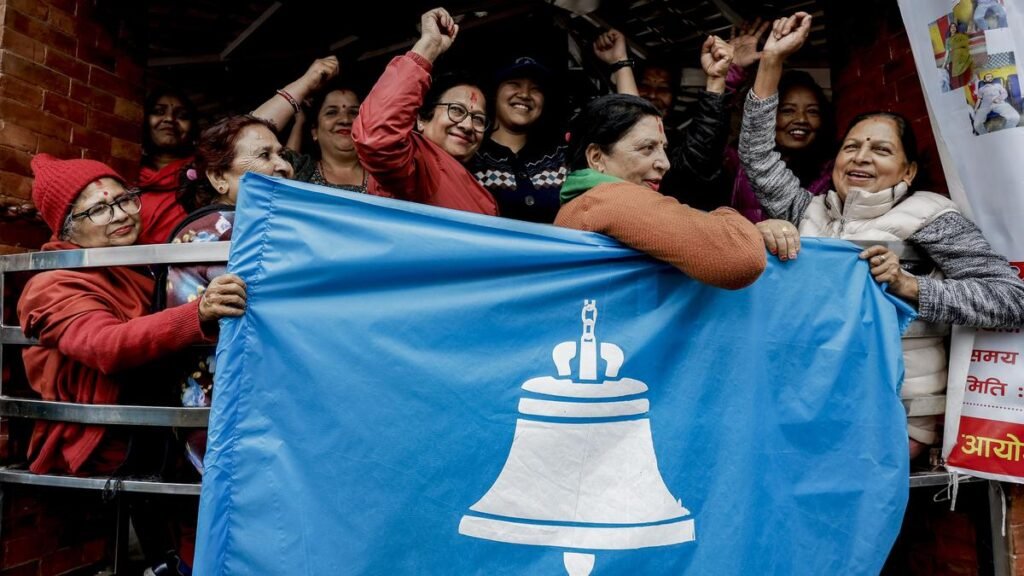
The election was held on March 5, 2026, and the result surprised many people.
The Rastriya Swatantra Party (RSP) won 182 out of 275 seats, giving it a very strong position in Parliament.
Balen Shah Becomes Prime Minister
After the election, Balendra “Balen” Shah became Prime Minister on March 27, 2026. He was only 35 at the time.
Before becoming prime minister, Shah was the mayor of Kathmandu. He was already popular with young people and had a very different background from many traditional politicians. He was also known as a rapper before entering politics.
His rise to the top position in Nepal’s government was seen by many people as a sign that the country’s politics was changing. But now comes the difficult part.
It is easy to promise change when you are outside the government. Actually running the country and solving its problems is much harder. Shah now has to prove that the hopes people have placed in him are not going to be wasted.
The Political Problems Have Not Just Disappeared
Even though Nepal has a new government, it does not mean that everything is suddenly fine.
The Shah government has already faced criticism and political challenges. There have also been protests during his time in office, including demonstrations connected to the eviction of landless communities in Kathmandu. Some young activists who had supported the new political change have also become critics of the government.

This is actually quite important. It shows that people who asked for change are also ready to question the new government when they are unhappy with its decisions.
Nepal Is Now Facing Another Huge Problem
While Nepal is dealing with its political changes, the country is also facing a terrible natural disaster.
A devastating flood linked to a glacier collapse has hit parts of Nepal and the Himalayan region. Rescue teams are still searching for missing people, and the damage to roads, electricity and other infrastructure has made the rescue work even harder.
On September 1 say that hundreds of people have died and thousands are still missing. More than 11,000 people have been rescued in Nepal, but the situation remains extremely serious.

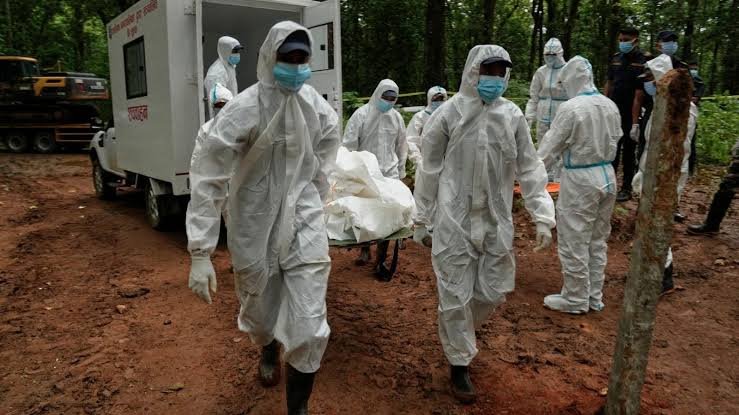
For a relatively new government, this is a huge test. People are not only looking at Shah’s political decisions now. They are also looking at how quickly and effectively his government can help people affected by the disaster.
What Are Young People Expecting?
The young people who played such an important role in Nepal’s political changes have some pretty basic expectations.
They want better job opportunities. They want less corruption. They want better public services and education. More than anything, they want politicians to actually listen to them.
And I think this is where the new government faces its biggest challenge.
People have already seen promises from politicians before. This time, they are likely to look at the actual results.
What Happens Next?
It is difficult to say exactly what will happen in Nepal because the country is going through several problems at the same time.
The government has a strong political position after winning the election, but it also has a lot to prove. It has to deal with people’s expectations, political criticism and now a major disaster.
If the government can handle these problems properly and bring some real improvements, it could slowly rebuild people’s trust.
But if people feel that the new leaders are repeating the same old mistakes, the disappointment could be quite strong.


