



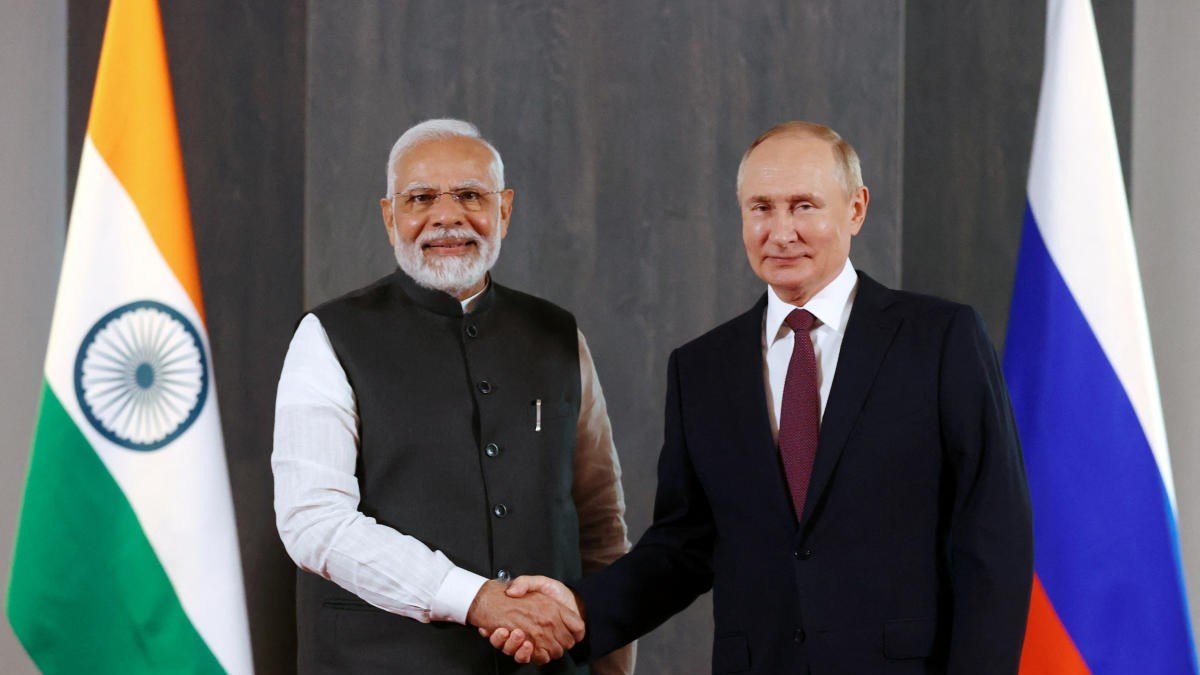
India-Russia engagement is an important part of India’s foreign policy. Nowdays, the relationship is on the growth level which is beyond traditional defence cooperation and covers trade, energy, fertilisers, nuclear power, technology and strategic diplomacy. The newest developments in August 2026 shows that both countries are actively working to strengthen this long-standing partnership.
Held A Meeting Between Jaishankar & Putin
On 24 August 2026, External Affairs Minister S. Jaishankar met Russian President Vladimir Putin in Moscow during his visit for the 27th India-Russia Inter-Governmental Commission. Jaishankar discussed for the expansion of the cooperation in trade, energy, fertilisers and nuclear power. He also informed that Prime Minister Narendra Modi told to give a message to Putin, regarding the importance of India-Russia Relationship is going in good terms.

India and Russia are planning for further high-level meetings, including expected interactions between Prime Minister Modi and Putin and the annual bilateral summit later in 2026. This shows that India-Russia engagement remains active at the highest political level.
Trade and Energy Remain at the Centre
Economic cooperation between India-Russia is one of the strongest pillars. India’s Ministry of External Affairs said that bilateral trade reached a record US$68.7 billion in FY 2024–25, while trade stood at about US$59.86 billion in FY 2025–26. Both countries continue to work towards their ambitious target of US$100 billion in bilateral trade by 2030.
Energy is very important for India. Russia continues to supply crude oil and fertilisers, helping India manage energy and agricultural needs. On 24 August, Putin also give assurance to India of continued energy and fertiliser supplies amid disruptions linked to the wider West Asia crisis.
Defence Cooperation Is Evolving
Defence has now the backbone of India-Russia relations. Today, both sides are looking beyond buying military equipment and are focusing more on joint production, technology and research to increase their relationship. Projects such as BrahMos and other defence collaborations demonstrate how the partnership has gradually moved towards greater technological cooperation.

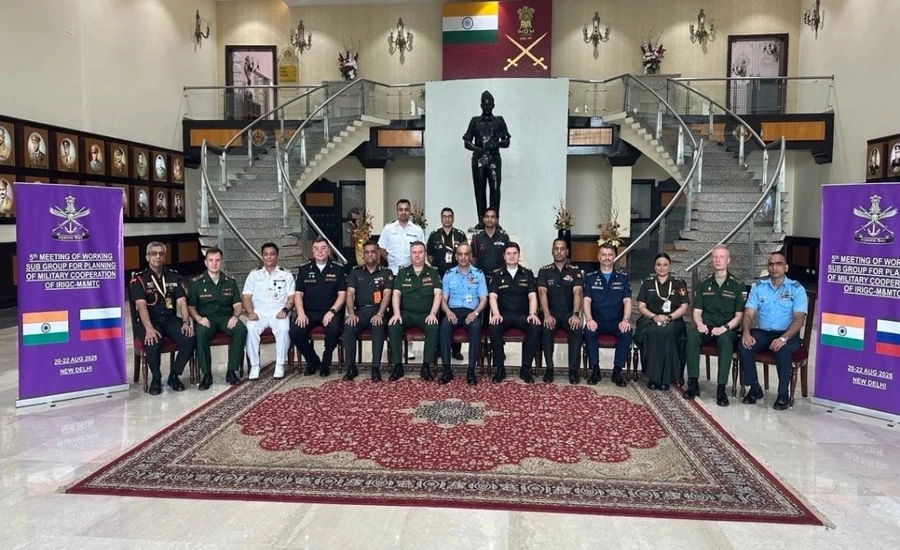
At the same time, India continues to maintain relationships with several major powers. This reflects New Delhi’s approach of protecting its strategic interests while keeping communication open with different countries.
Why India-Russia Engagement Matters for India ?
For India, the relationship provides access to important energy supplies, defence technology, fertilisers and strategic cooperation. For Russia, India offers a major market and an important partner in Asia.
The partnership also gives India greater room to follow an independent foreign policy. Instead of depending on one major power, India can cooperate with Russia, the United States, Europe, Japan and other countries according to its national interests.
However, the relationship also faces challenges. India must manage payment difficulties, trade imbalances, Western sanctions and geopolitical tensions while expanding cooperation with Moscow. India’s imports from Russia remain much higher than its exports, making the push for more balanced trade an important priority.
A Partnership Looking Towards the Future ?
The latest meetings show that India-Russia engagement is not limited to historical friendship. India-Russia are focusing and continuously trying to build a partnership that reflects in today’s economic, energy and geopolitical challenges.
As India is preparing for more high-level meetings with Russia in 2026, the focus will mainly remain on expanding trade, securing energy supplies, strengthening defence and technology cooperation, and creating new opportunities for Indian businesses.
For ordinary Indians, this relationship matters in practical ways—from fuel prices and fertiliser availability to national security and economic opportunities. The future of India-Russia engagement will depend on how successfully both countries turn their strong political relationship into broader and more balanced economic cooperation.


