



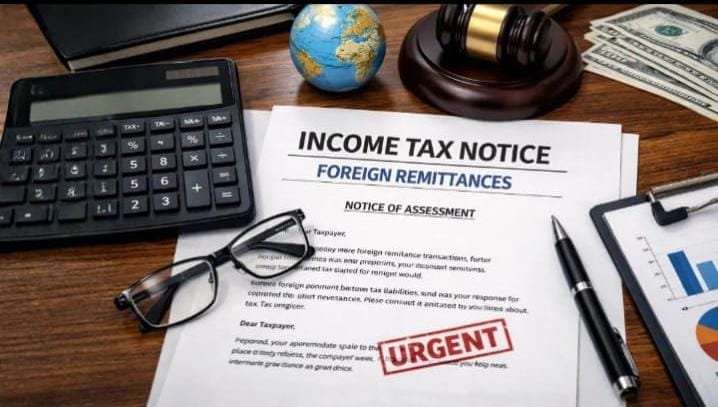
The Income Tax Department’s probe into outward remittances has brought increased attention to large money transfers made by Indian residents to foreign countries. Outward remittance refers to sending money abroad for purposes such as education, medical treatment, travel, investment, or supporting family members.
Under the Liberalised Remittance Scheme (LRS), resident individuals are permitted to remit money overseas subject to prescribed rules and limits. Banks and authorised dealers are required to collect relevant information and follow reporting and compliance procedures for such transactions.
The Income Tax Department may examine high-value or unusual outward remittances when they appear inconsistent with a taxpayer’s declared income or financial profile. The department can seek clarification about the purpose of the remittance, the source of funds, and whether the transaction has been properly disclosed.
Tax compliance is another important aspect of outward remittances. Depending on the nature and amount of the transaction, applicable Tax Deducted at Source (TDS) provisions may have to be followed. Taxpayers are therefore expected to provide accurate information and complete the necessary formalities while transferring money abroad.
The probe is aimed at improving financial transparency and identifying cases involving undisclosed income or improper reporting. It does not mean that legitimate overseas transactions are prohibited. Genuine payments for education, healthcare, travel, and other permitted purposes can continue when the required rules are followed.
Taxpayers making substantial overseas remittances should maintain proper records, including bank statements, invoices, educational or medical documents, and proof of the source of funds. Proper documentation can help explain the transaction if the tax authorities seek clarification.
The issue highlights the government’s growing focus on monitoring international financial transactions and strengthening tax compliance. It also reminds individuals and businesses that overseas money transfers should be made transparently and in accordance with applicable tax and foreign-exchange regulations.


